
How a 9 year old kid, taught me how to play
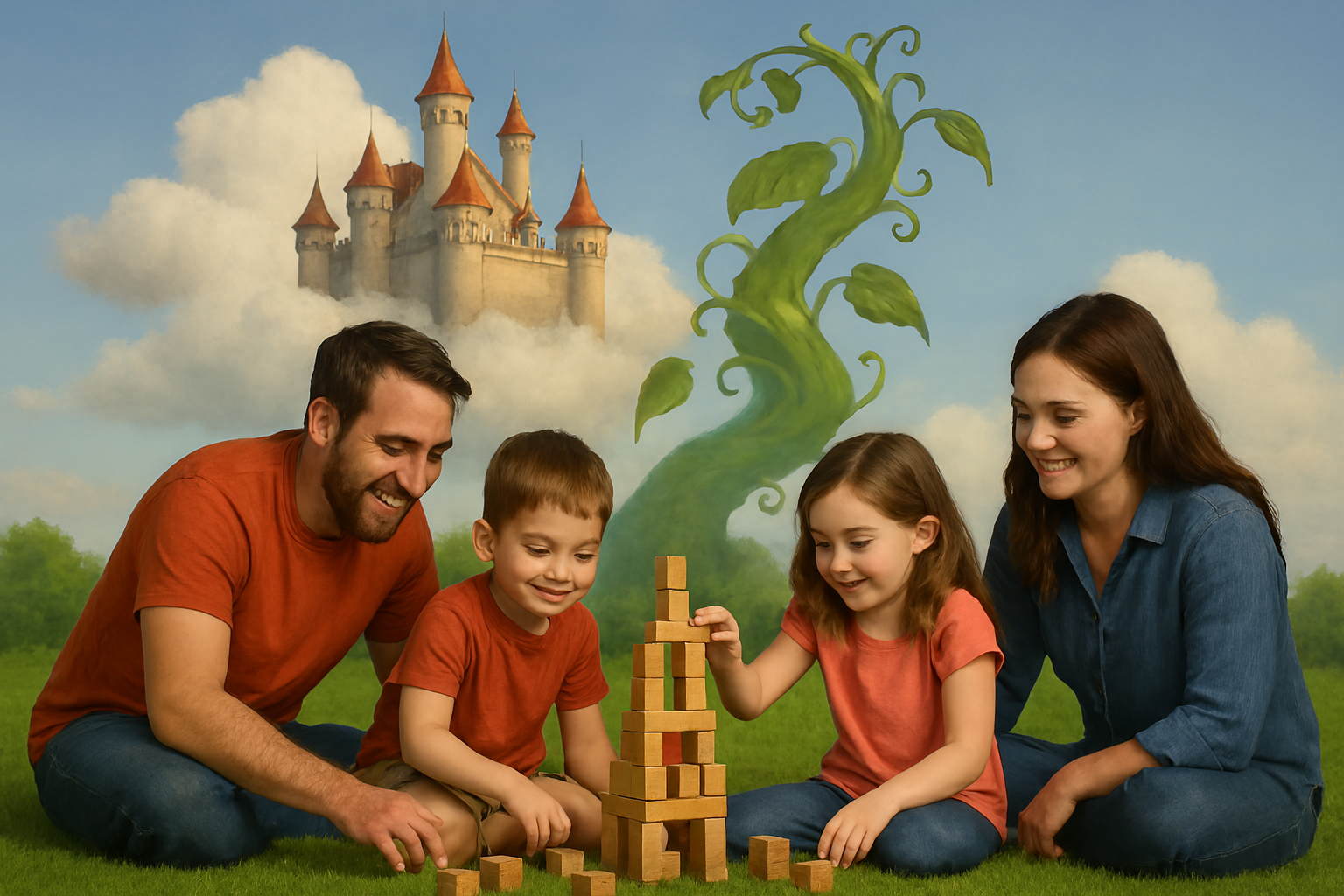
No one has ever grown up without starting as a child. Some psychologists define a child as a developing adult… and they aren't wrong; it’s self-evident. And no child grows without playing. It is something we see as natural, something everyone takes for granted: children play. What would be strange is if they didn’t.
However, we rarely stop to think about why.
Play is the way a child interacts with the world. It begins when they are only a few months old. Babies play with their hands, their feet, making noises… they laugh at the faces Dad or Mom make while changing their diaper. As they grow, play becomes a bit more complex: they climb… anything… from the living room sofa to that little stool you use to hide the cookies on the highest shelf of the pantry where they can't reach them. They start to copy what you do… they play at being cooks, firefighters, doctors. In reality, they don’t know the job description, but they mimic it. Then they make friends, and games appear—ranging from "playing school" where the teacher scolds everyone, to those soccer matches that last long past dinner time.
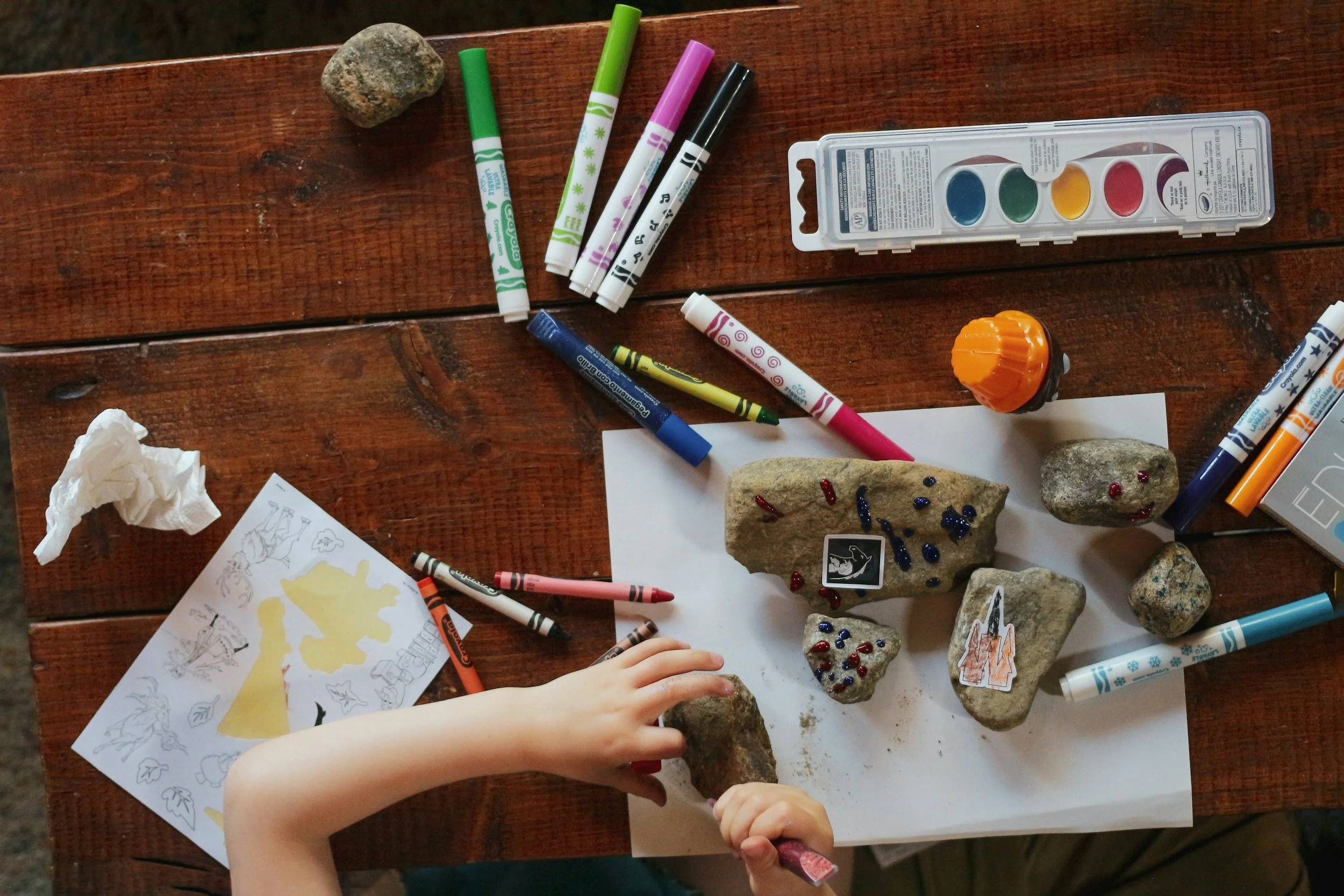
All of this is a process through which little ones understand how the world works.
First, they test themselves: How much can I do with my body? Can I control it? What are my hands for? If I stretch my arm, can I reach the door? Children begin to know themselves, to discover textures, to strive to achieve things… to move and speak like Dad or Mom.
Then, once they can take a few steps and articulate some words, they realize that Dad goes somewhere all day, and that at night Mom prepares the food. Rather than asking, they try to understand it by copying what their parents do. They put on different clothes, use tools, pack their things in a backpack or a briefcase, scribble on sheets of paper… and when you ask them what they’re doing, they tell you they are working. That is symbolic play… children trying to understand what adults do.
In addition to role-playing, children set their own rules. If they are baking cakes and someone comes to tell them "okay, time for a bath," they get angry… not so much because they dislike bathing, but because the cake isn't ready yet. They know when their game starts and when it ends. Those rules are important to them because that is how they begin to give structure to their world. They start to define how they will interact with their things, their environment, and others.
And when they are ready… they take the next step.
Now they have friends. And with friends, they play "restaurant" or soccer. Games with characters, roles, places, and goals. They can do this because they did it alone before. Now they are learning to set rules together… seeing what kind of people they can play best with, and how… and where… and for what purpose.
And after that… they are ready to integrate into adult society.
The values so often discussed today in Mexico are learned in those early activities. What better way to raise your children than by playing with them? It is the natural way to tell them: this is right, this is wrong, this is how it’s done, this is dangerous, in this house we don’t behave like that or say that. And it is the most natural way for them to learn it.
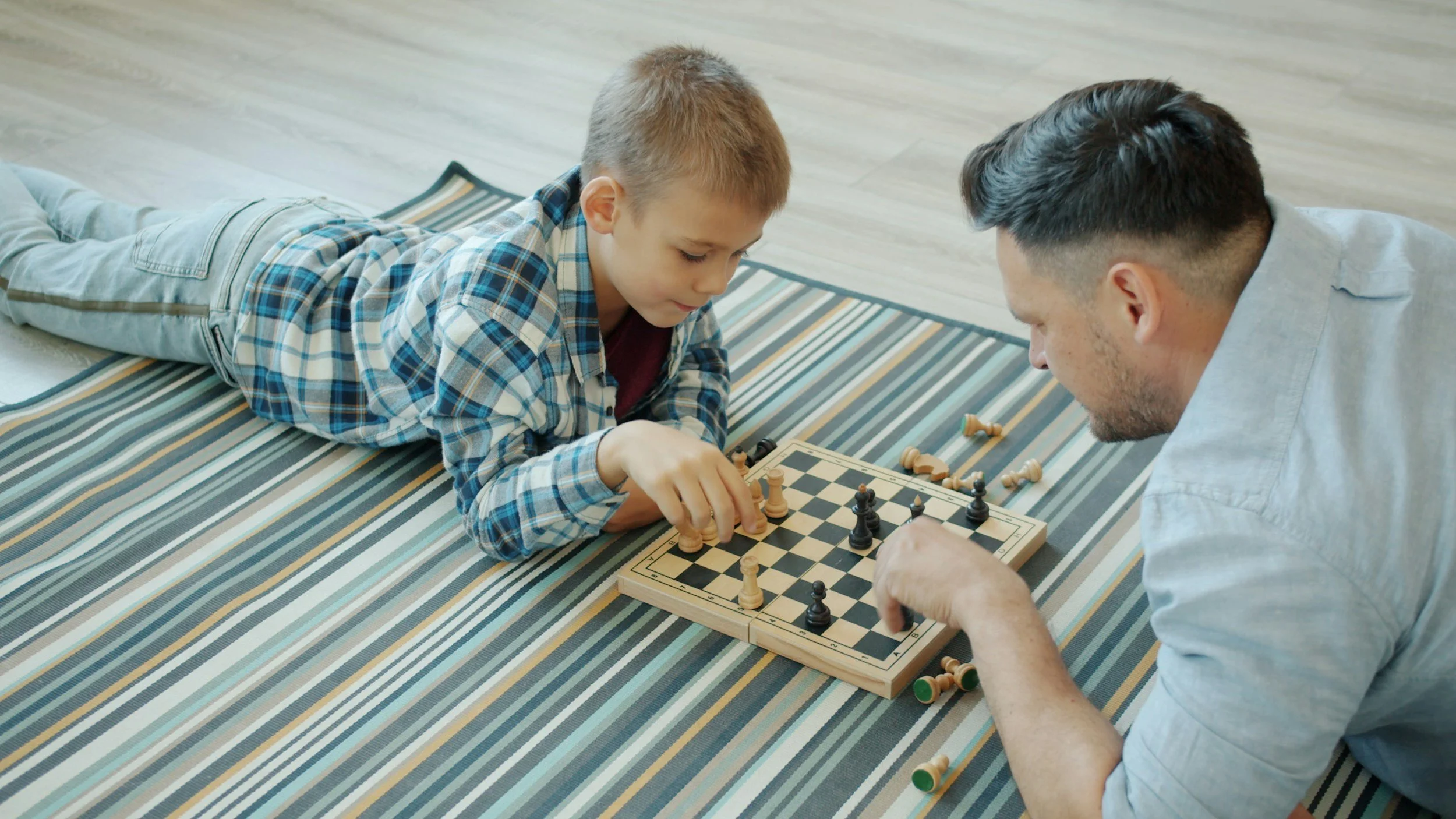
Unfortunately, today we face two problems. The first is that no one taught us how adults can play with children. The second is that the competition we sometimes allow to enter and win on its own is designed to take their attention away permanently… yes, screens.
The main problem with screens is not that they are addictive, although of course they are. The problem is that the entire process of play is given to them pre-made. Your child doesn't set the rules for how they play Roblox. They don't receive that "sanction" of what is right and wrong from you… but from someone who wrote a story and then animated it. It’s not a bad thing per se… but did your child understand it the way you did? Is it something you agree with?
Then, there is the problem of time. Commutes, work, the grocery store, bills… all of that exhausts you and leaves you with maybe an hour a day before collapsing. A statistic from the ENUT that could be discouraging is that in Mexico, the actual time a father spends playing with his children per day is around 15 minutes. Fifteen. However, the total time of presence with children is around an hour and a half daily. And therein lies the opportunity… because there is no reason why bathing, dinner, or even tying shoelaces cannot be part of the game.
As parents, we have the obligation to cover our children's needs… and that includes, and should prioritize, play. Not for the beautiful memories it will leave us when we are grandparents, but because it is through play that we shape them. And if we are worried about the future they will live in, this should be one of our primary concerns.
One of the problems, I repeat, is that as adults we were not taught to play with children. But it’s not as complicated as it seems. And I know this because a 9-year-old boy taught it to me.
When I started as a camp counselor, I was nearly 27 years old. Most start at 16. My first "Colonia" (summer camp) was difficult… the kids didn't want to play with me. What I proposed didn't interest them, and I didn't understand why.
It didn't matter if it was running around the house or building a castle out of sticks and sheets of kraft paper; it was something they didn't care about and didn't do.
The week almost came to an end and I still hadn't quite connected with my team. At night before bed, with the kids in the room, I would tell them stories about dragons and pirates, basically because I didn't know what else to invent... plus the goal was for them to fall asleep, so I did it as slowly and boringly as possible.
The last night, a boy I’ll call Miguel asked me to finish the story. To be honest, I was a bit surprised. I didn't remember where I had left off, or even what it was about… I always thought they fell asleep before I finished...
But Miguel had been listening. All week. He asked me if that dragon that had been born from an avocado pit finally reached the castle. Beyond being interested, he was "hooked" on the story… he wanted to keep listening, to keep playing in his head.
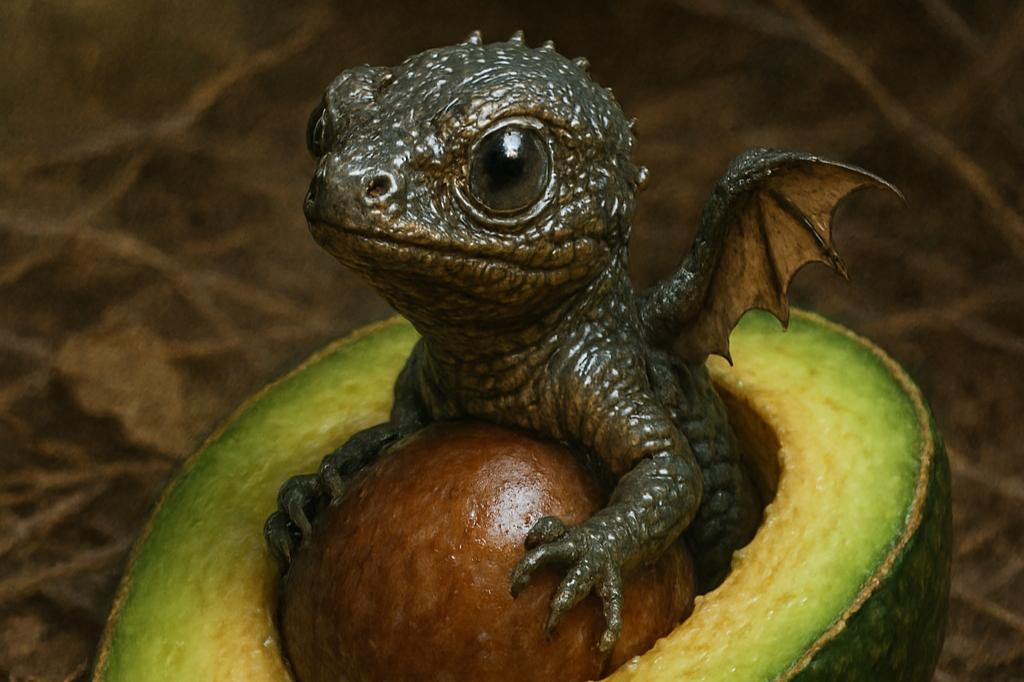
Right then, I understood something I hadn't read in any book before: you don't need to be running or covered in paint for an activity to be "play." You just need to do something that makes sense to the child and interests them. And the responsibility to make it interesting… is yours.
I ended up making up the end of the story, adding a bit more excitement and, of course, feeling a bit bad because I hadn't put in all the effort from the beginning. Thinking that maybe, he was deeply interested in the tale. Understanding that not all games are as you imagine them, nor are they played the same way.
My teacher was a 9-year-old boy.
That is why Elephantir exists. To provide a space for both children and their parents to play and grow together. To develop as a family. To build something more than just memories. To relate better to each other and to the world outside the home.
To transform family play.
Because play is important. Because family is central. And because we parents are the floor, the walls, the roof, and the engine that keeps it all together.
Every week I am going to write about this.
About play, about children, about what it means to be a dad today.
Because childhood doesn't wait.
Because one day they stop asking you to tell them the story.
If you want to make better use of the time you do have, subscribe.
And if you know someone who needs to remember this, send it to them.
